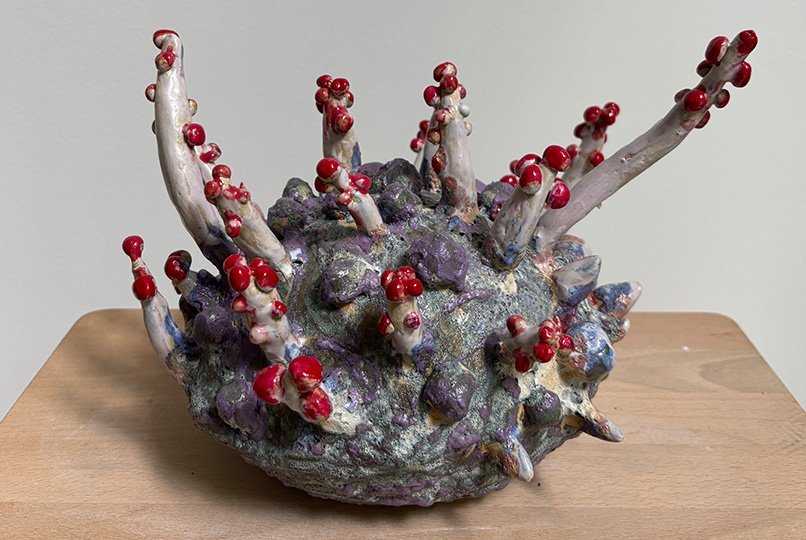
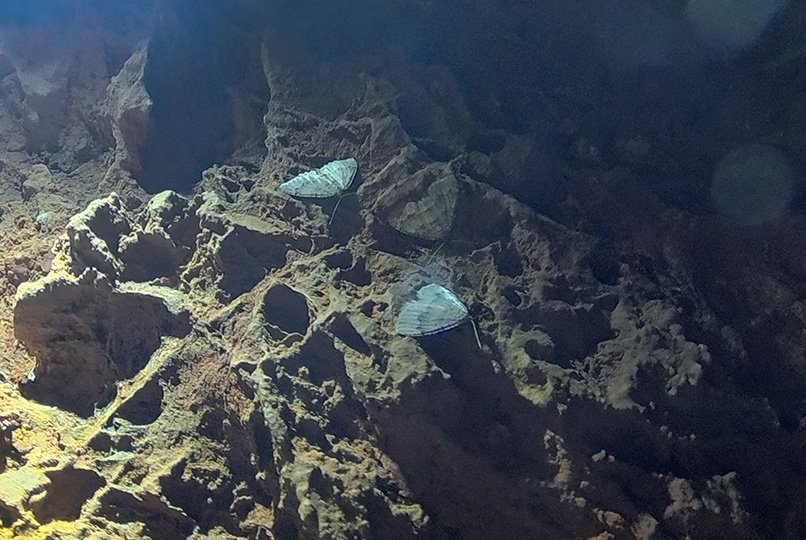
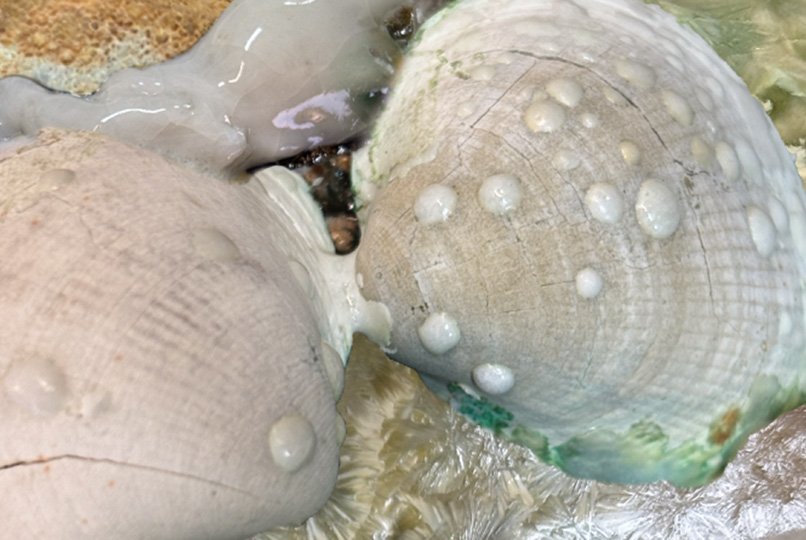
Damien Fragnon, On transformation_Alix Weidner-50 (detail), "Canyon Rhyolite#2", Noir de Vaux with brown Hérault leopard, red grains, random pink Hérault with red grains, porcelain, lava white, green with random pink nucleation ©Monika

Mezzanine Sud 2026

Prix des Amis des Abattoirs

Supported by Les Amis des Abattoirs, the Mezzanine Sud prize marks the commitment of Les Abattoirs, Musée - Frac Occitanie Toulouse, to the development of contemporary artistic creation. It highlights the dynamism of the young local scene and rewards artists with links to the Occitanie region.

After celebrating its 10th anniversary in 2025, the Mezzanine Sud prize is evolving to adapt to changes in the art scene and better meet the needs and expectations of artists. The Prize is now open to artists under the age of 40 and is primarily intended to support production. Each year, it rewards two artists with a larger budget dedicated to the creation of new works. The Prize is also changing location and will be presented on the lower floor of Les Abattoirs, which is more monumental, to offer greater freedom for creation and experimentation.

The 2026 Winners
Elsa Brès
Living underground

Damien Fragnon
Molecules in motion

The two winners of this edition, Damien Fragnon and Elsa Brès, each present a project that showcases their own artistic universe. Through unique mediums, ceramics and video art, both explore the invisible and subterranean layers of our territories.

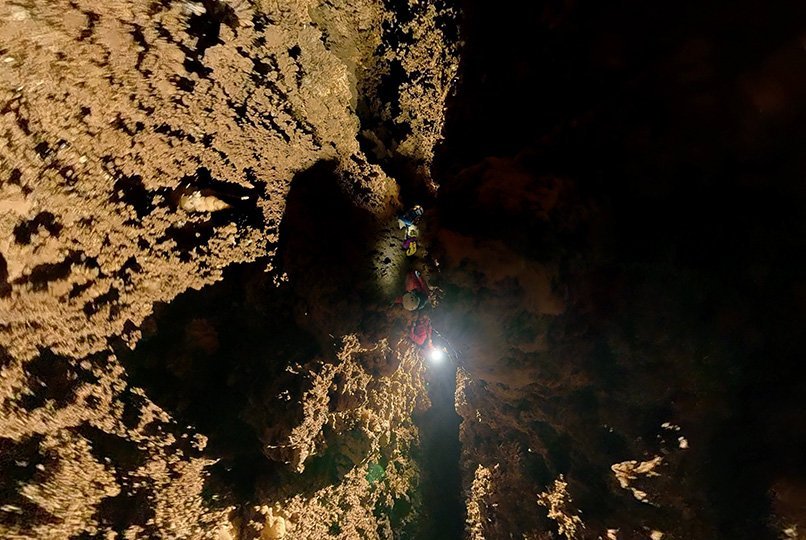
For this exhibition, Elsa Brès' video work is rooted in the Cévennes region. With her camera, she searches its hollows and interstices to bring out stories of resistant communities, both fictional and real. These excavations are like interconnected doors, forming a path that the viewer is invited to follow to discover the hidden stories.

Also drawing on the energies of the earth, Damien Fragnon presents a unique installation inspired by the formation of geological cirques. Arranged on evocations of rock concretions, these organic sculptures are made from rocks collected in the Occitanie region. They create a refuge-like environment, inviting humans to withdraw and allow life to flourish.

In pictures